Marine Paint Systems
A vessel takes a different coating system in every zone. Here's Clin Corp's recommended Hempel system for each area — anticorrosive, tiecoat, and topcoat — plus what drives the choice between them.
Area by Area
Choosing a System for Each Zone
Topside
Balance gloss and durability against price and ease of maintenance.
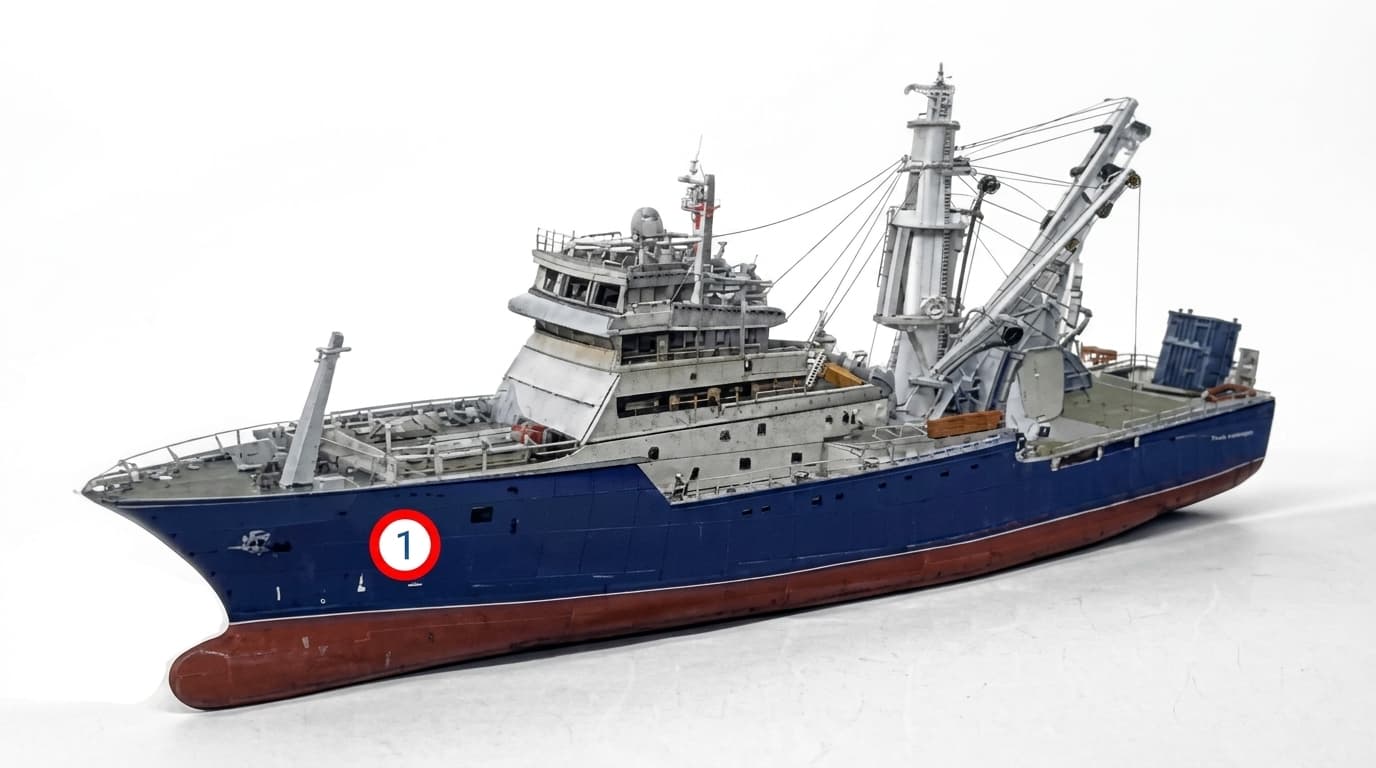
Anticorrosive system
2 coats epoxy, 125µm
Decks
Weigh mechanical resistance, antislip performance, ease of maintenance, and corporate colour matching.
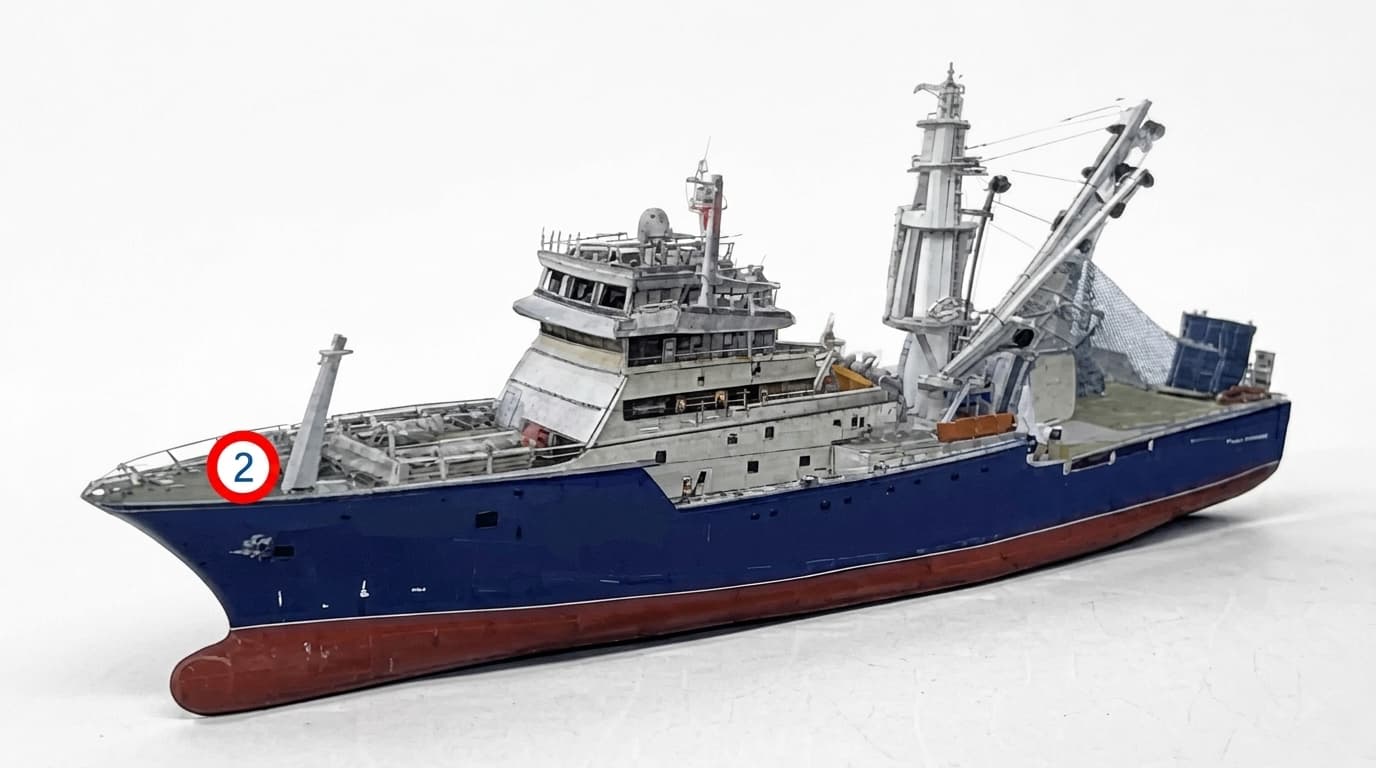
Anticorrosive system
2 coats epoxy, 125–150µm
Topcoat
1 coat, 50µm
Underwater Area
Choose between an antifouling system and a silicone fouling-release system.
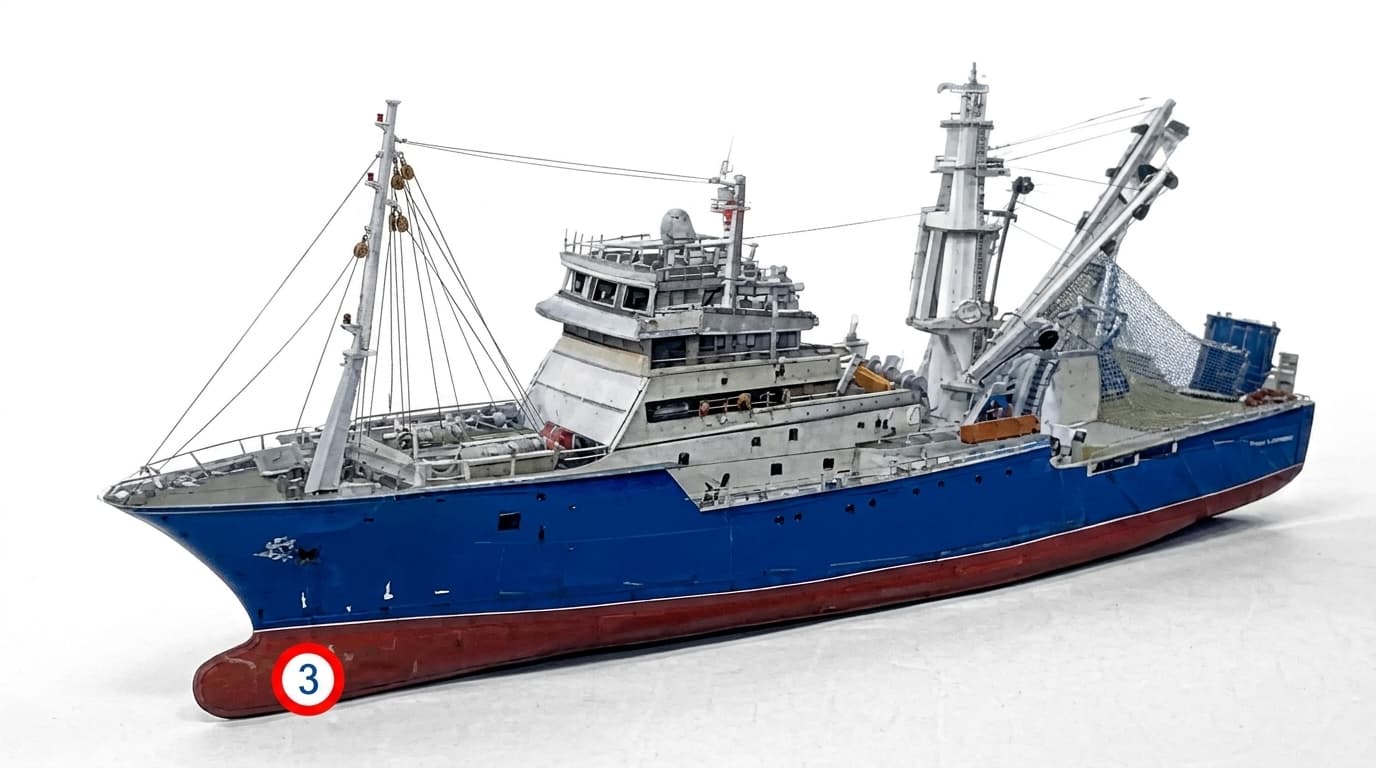
Anticorrosive system
Anticorrosive: 2 coats epoxy, 150µm each · Tiecoat: 1 coat, 75µm
Antifouling
Thickness and product depend on navigation parameters — activity, speed, waters
Boottop
Decide between antifouling-style or topside-style protection, and how much extra mechanical resistance is needed.
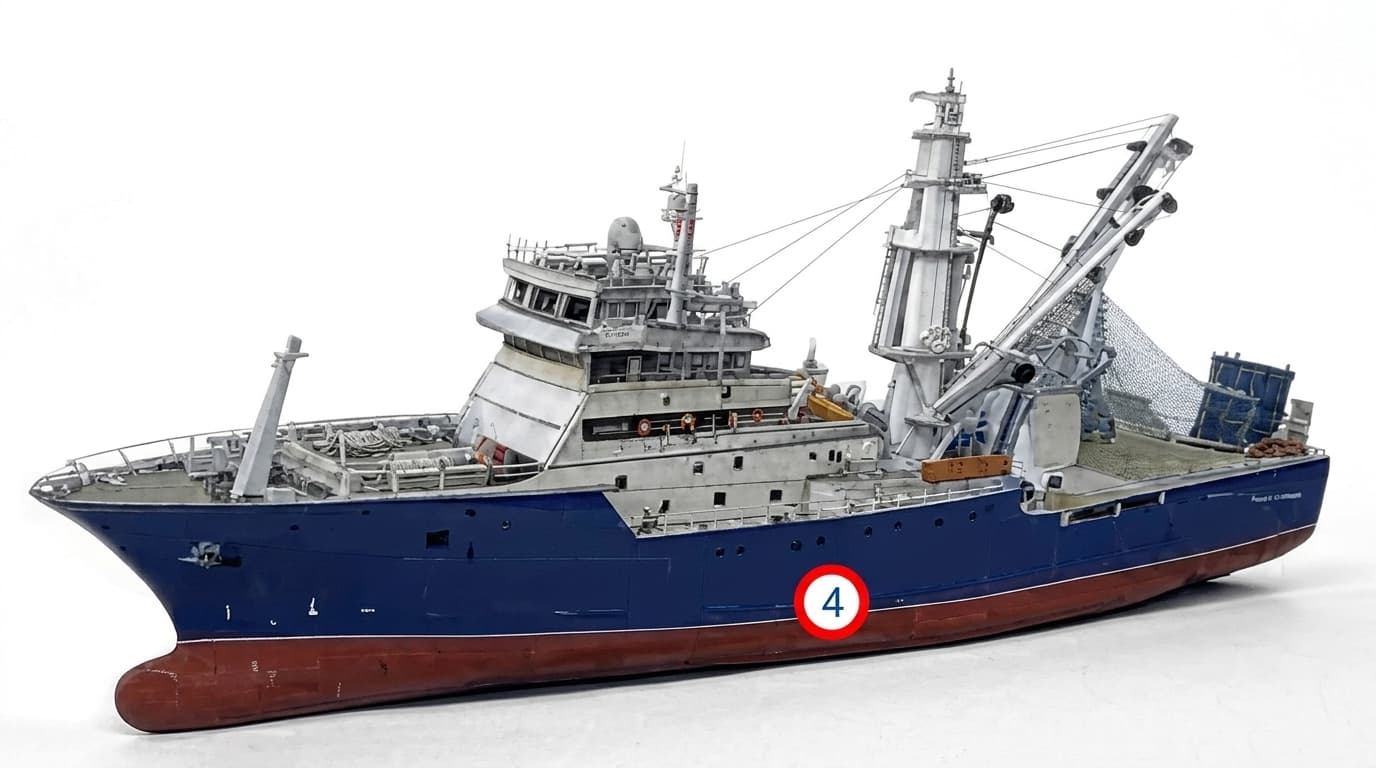
Anticorrosive system
1 coat, 200–300µm · Tiecoat: 1 coat, 75µm (if recoating with a monocomponent topcoat)
Topcoated by whichever Antifouling or Topside system the vessel uses.
Superstructure
Prioritise ease of maintenance and long-term durability.
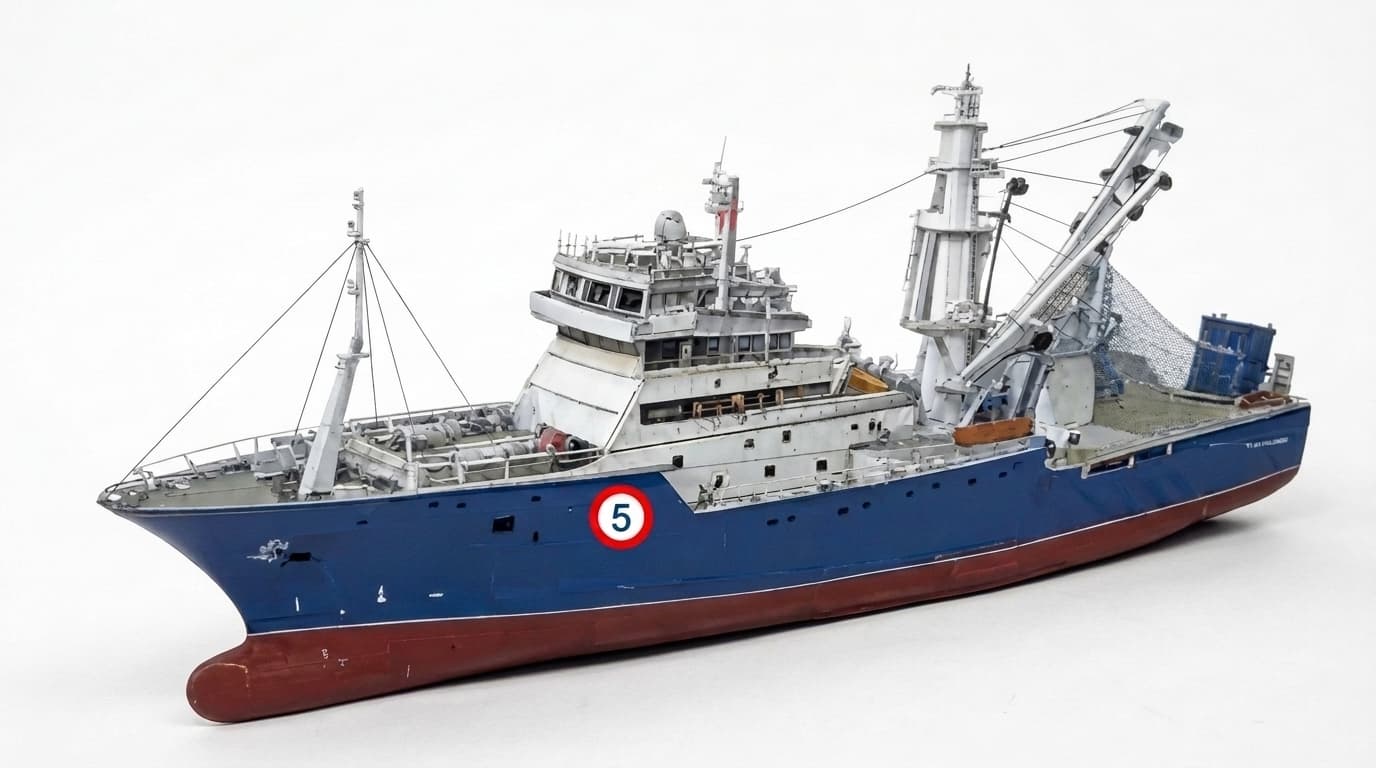
Anticorrosive system
1 or 2 coats, 75–100µm each · Tiecoat: 1 coat, 75µm
Topcoated with Hempalin, Hempatex, or Hempathane.
Mast, Powerblock & Winch
Built for durability on exposed, high-wear fittings.
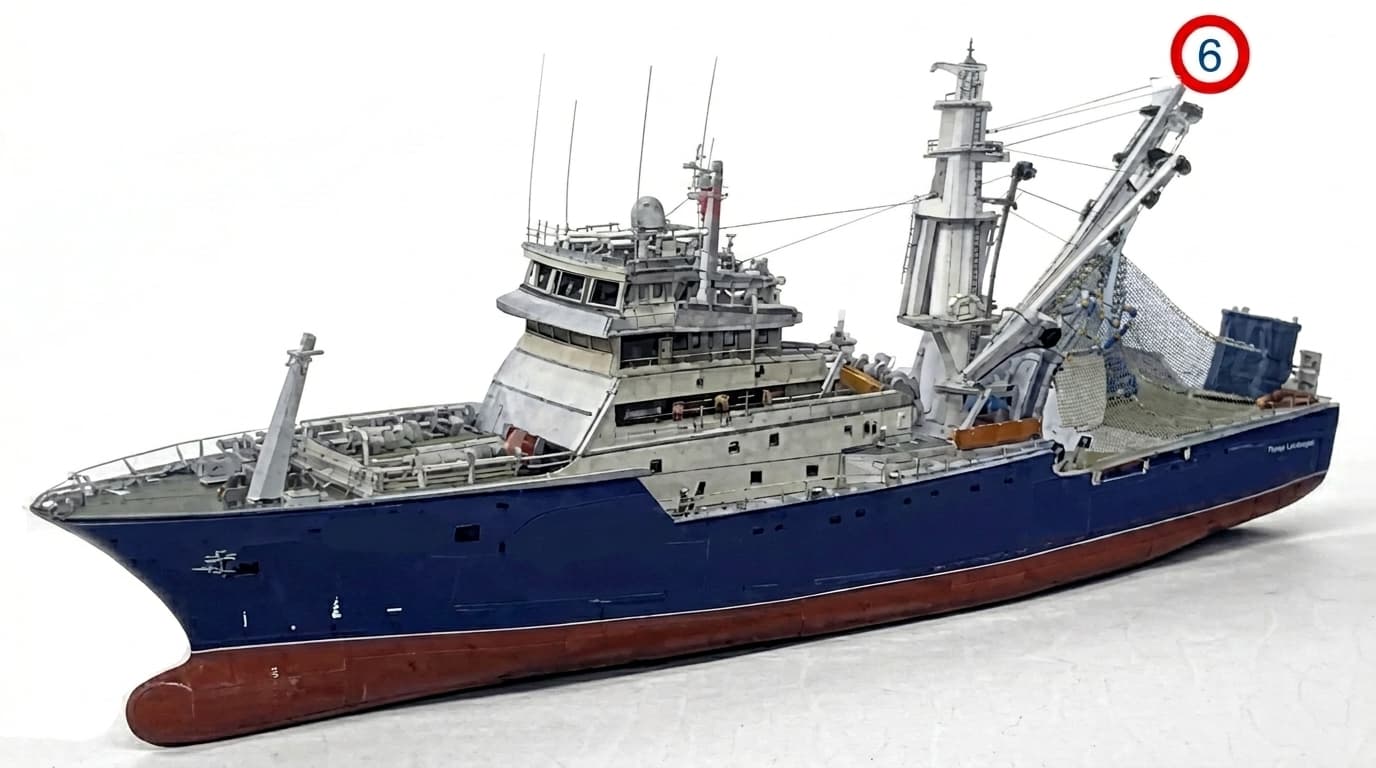
Anticorrosive system
2 coats, 100µm each · Topcoated with 1 coat polyurethane, 50µm
Tanks & Compartments
Tank Systems at a Glance
Fresh Water Tanks
1 or 2 coats, 300µm total
Grey Water Tanks
Engines & Engine Room
Fish Tanks
1 or 2 coats, 300µm total
By Vessel Type
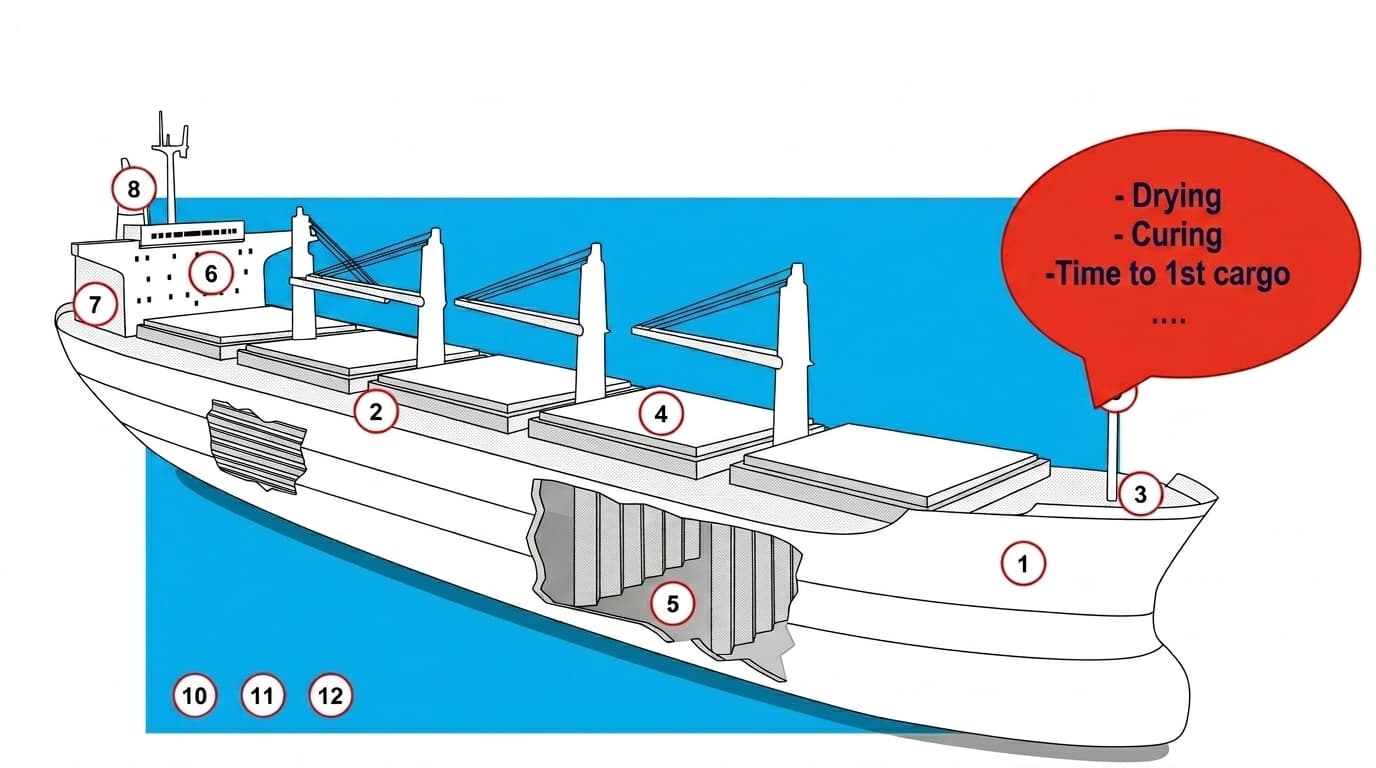
Cargo Hold Systems
The right cargo hold system depends on what the vessel carries as much as the hull itself — chemical resistance, abrasion resistance, and low-temperature performance all point to different products.
Chemical Tankers
Resistance to chemical substances
Bulk Carriers
Abrasion resistance
LNG Carriers
Stainless-steel construction, high condensation and low temperatures
Double tank walls typically use a zinc silicate system.
Also account for drying time, curing time, and time to first cargo when specifying a cargo hold system.
Deep Dive
Inside Antifouling Technology
Not every biocide fights the same kind of fouling equally well. A well-designed antifouling combines biocides to lower the concentration needed at the surface to stay clean.
| Fouling Type | High Effect | Medium Effect |
|---|---|---|
| Hard Fouling | Cuprous oxide, Selektope, Econea | Copper Pyrithione, Sea Nine |
| Algae | Copper Pyrithione, Sea Nine, Zineb | Cuprous oxide |
| Slime | Antiadherent surface (FR), Polishing surface (AF) | All biocides (concentrated Copper Pyrithione) |
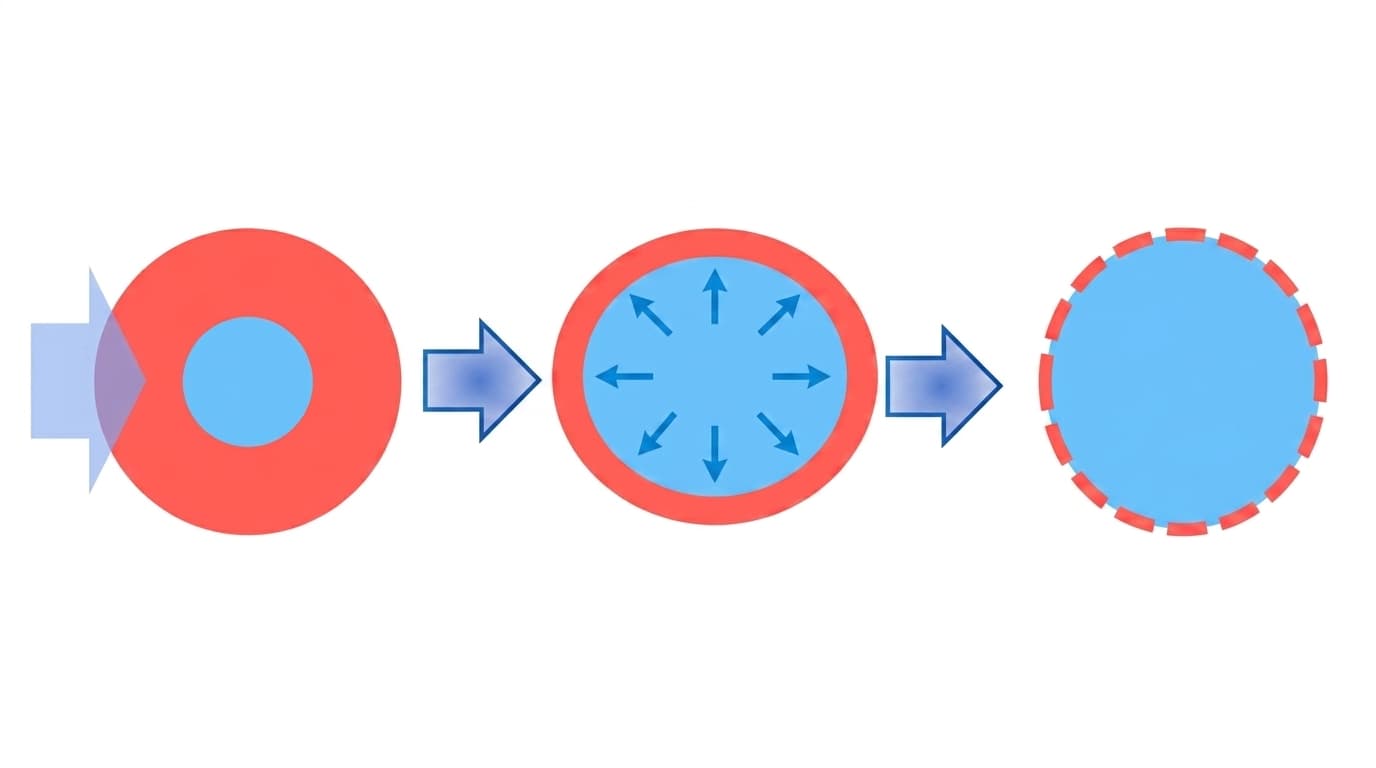
NAT — Nano Acrylate Technology
Nanocapsules built from two acrylic polymers — a hydrophobic shell that controls water penetration, and a hydrophilic core that hydrolyses on contact with seawater, releasing biocide in a controlled way.
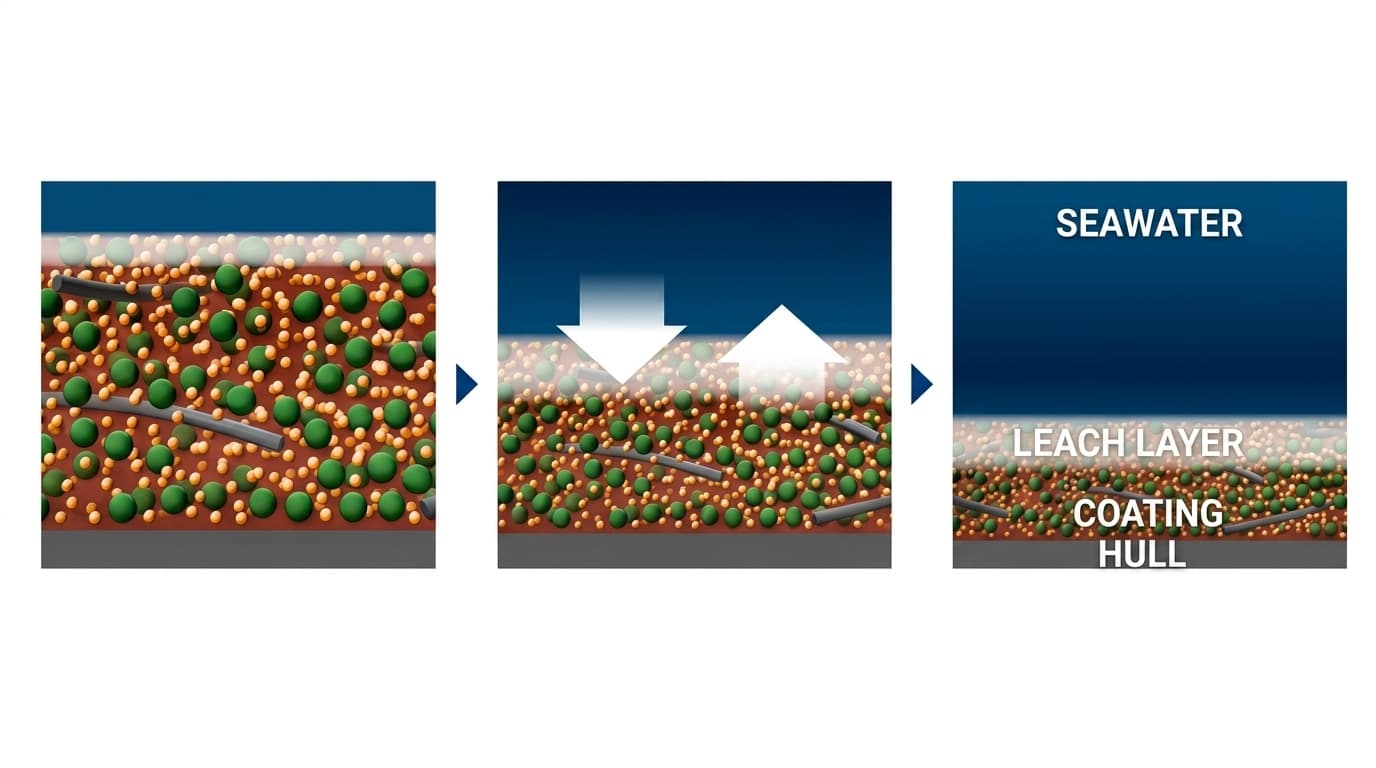
Rosin
Seawater dissolves the rosin binder, releasing biocide as it leaches out. The leached layer is a weakened, insoluble polymer; zinc carboxylate keeps that layer thin and controls the biocide release rate.
Featured Product
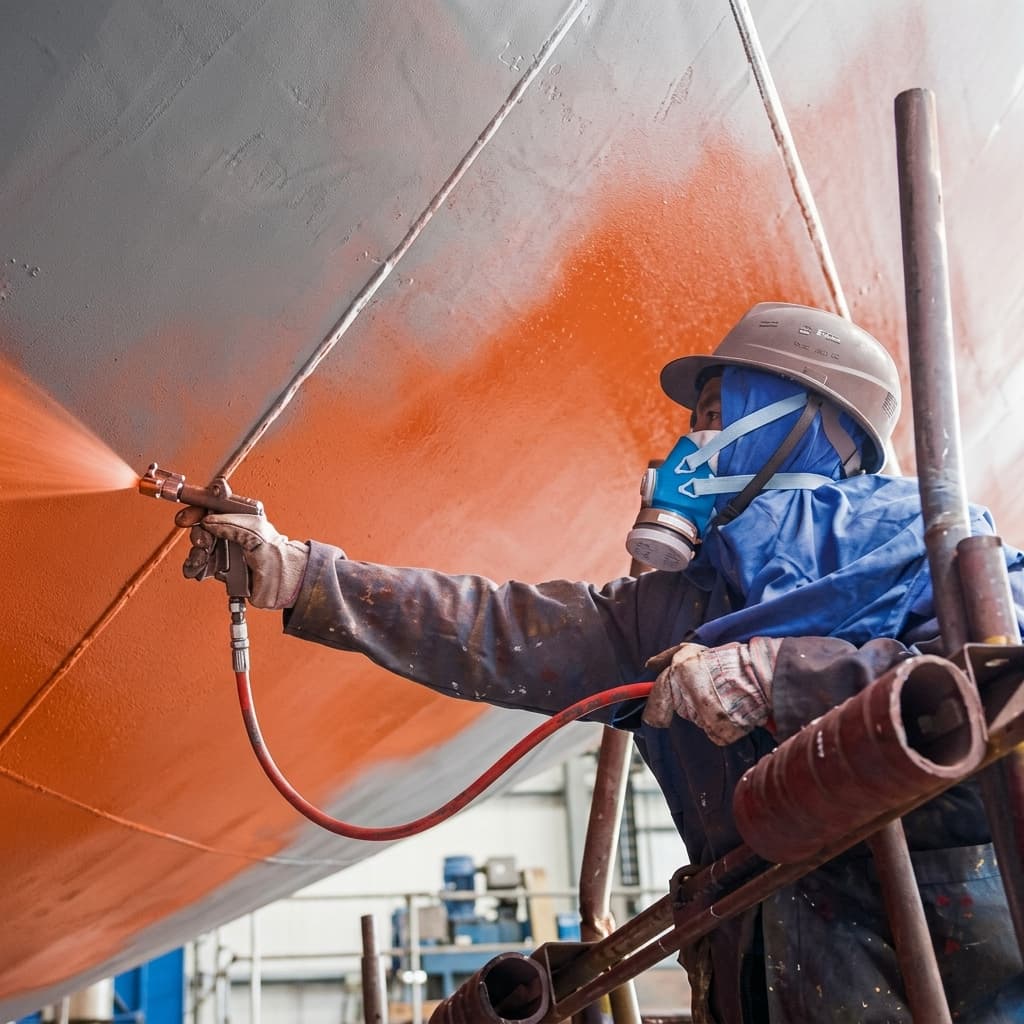
Hempel's Globic 9000
- • One of Hempel's premium SPC antifoulings
- • Hydrolysing nano acrylate technology
- • Rated up to 90 months
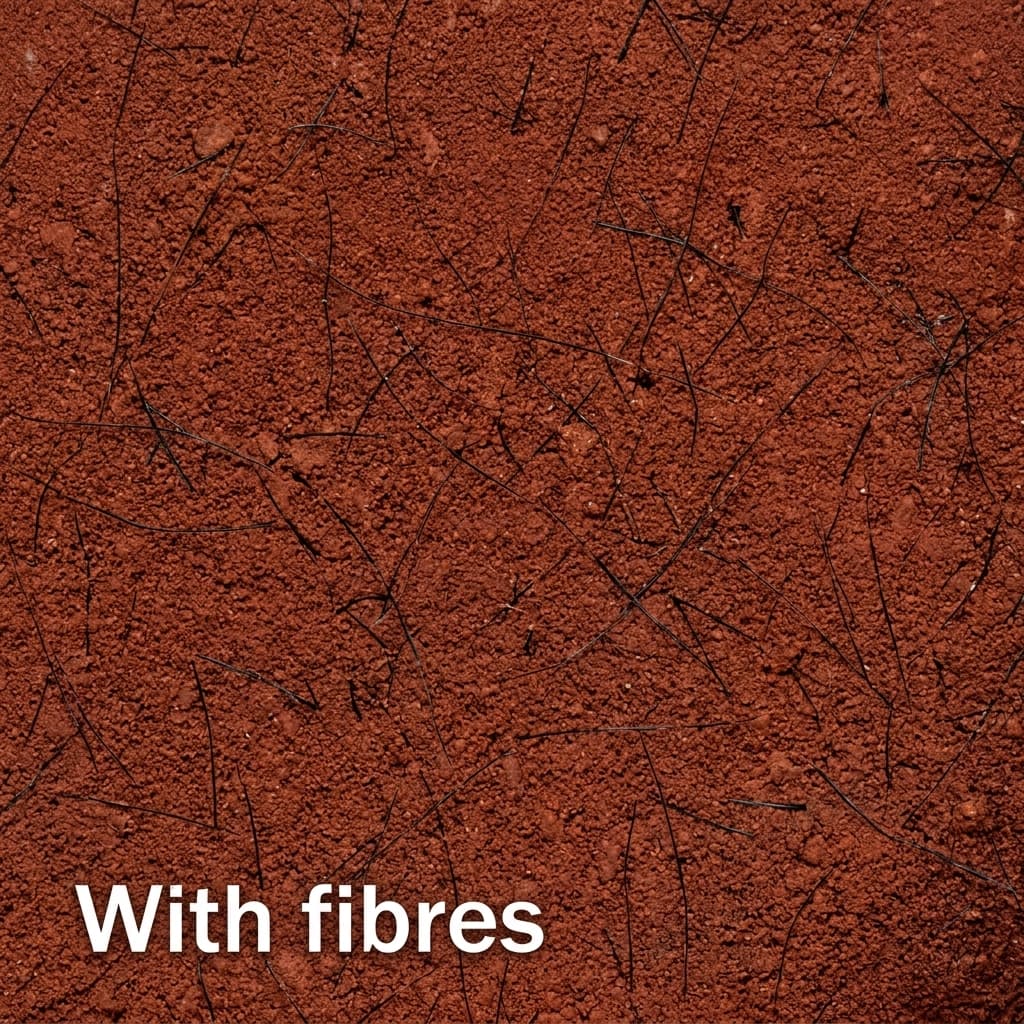
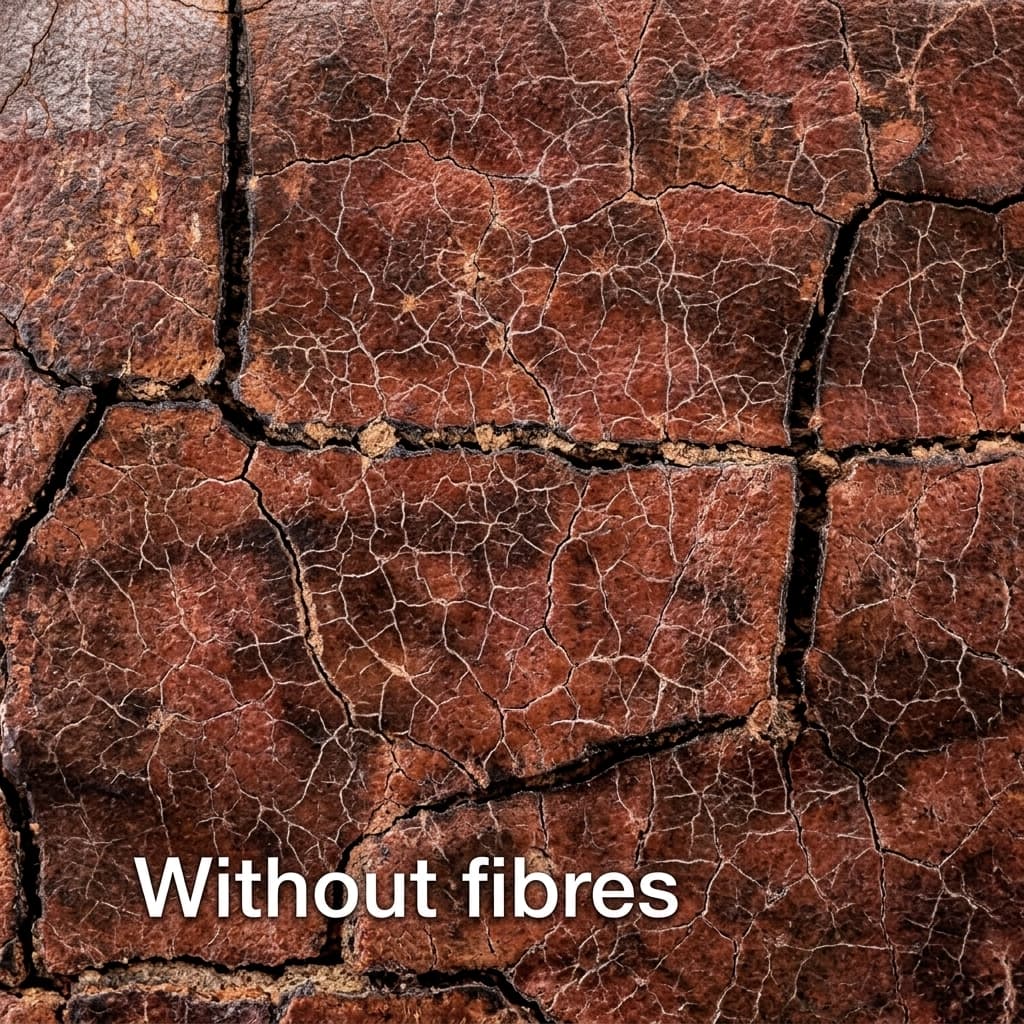
- • Microfibre-reinforced coating
- • Flexible trading pattern
- • Fewer areas needing full blasting at drydock
The microfibres reinforce the coating's mechanical strength, which reduces cracking and peeling — and in turn reduces drydocking costs over the coating's life.
Antifouling Range, by Service Life
Flagship — no fixed interval
Up to 90 months
Up to 60 months
Up to 36 months
Ready to Spec Your System?
Talk to our team about your vessel, or run the numbers yourself with the Paint Calculator.